


The intestinal microbiota produce hundreds of bioactive small molecule metabolites which regulate diverse physiological processes in the host including immunity and metabolism. Nutritional status of the host can alter both the composition and metabolic output of the microbiota, which in turn has a major impact on the nature of immune response. However, to date, most microbial metabolites, their regulation by diet, and their effects on host immunity and metabolism remain unknown. To this end, Arifuzzaman lab has adopted a metabolomics-based approach that combines targeted and untargeted metabolomics with bacterial genetics and host transcriptomics. This approach allows identification of the microbial metabolites, microbial genes, and host receptors involved in the regulation of immune and metabolic responses in various settings including inflammatory and metabolic diseases, infection, and cancer.
The overarching goal of the Arifuzzaman laboratory is to uncover how gut microbial adaptation to changes in nutrition impacts immune and metabolic homeostasis, and to identify microbial metabolites and host receptors involved in this process. The ultimate goals of this line of research are to identify molecular mechanisms by which environmental factors shape immune responses and facilitate designing novel intervention and therapeutic strategies for the prevention and treatment of disease.
Research Projects
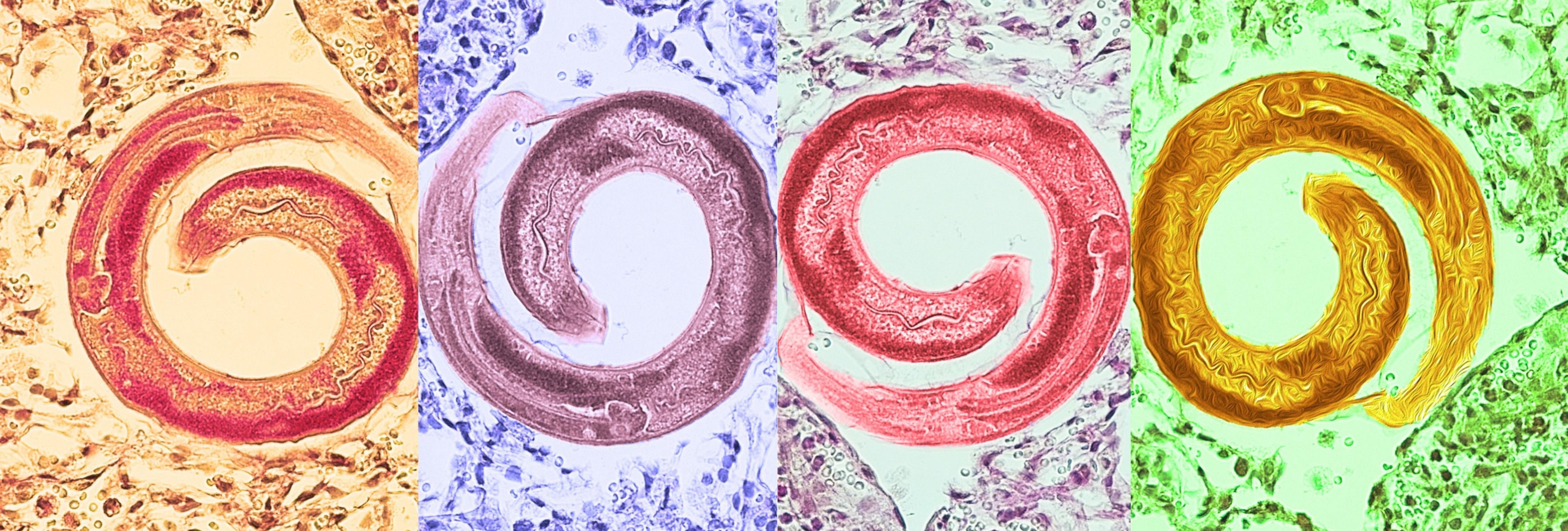
Current efforts in the laboratory are focused on the impact of diet and microbial metabolites on i) intestinal inflammation and tumorigenesis, and ii) immune-metabolic interactions in the context of obesity and liver disease.